

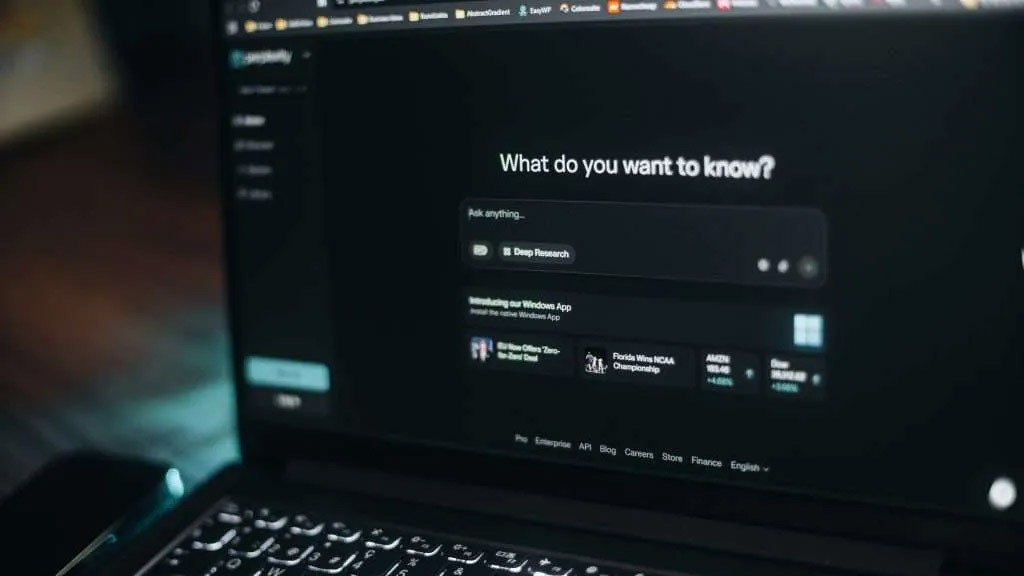
Search isn’t what it used to be, and if you work in PR, you’ve probably felt that shift already. Increasingly, people aren’t clicking through to articles, blog posts, or reports to get information.
Instead, they’re finding answers directly on search results pages through featured snippets, knowledge panels, and AI-generated summaries. The information is instant, condensed, and often consumed without any interaction with the original source.
This shift has given rise to Answer Engine Optimization (AEO), with major implications for how PR teams approach thought leadership.
What AEO Actually Means
Thought leadership for AEO requires structuring content so search engines and AI systems can easily identify, extract, and present clear answers to specific questions. Unlike traditional SEO, which prioritizes rankings and website traffic, AEO focuses on usefulness, clarity, and authority. The goal is to be the source of the answer to a question rather than to entice someone to click.
For PR professionals, this represents a fundamental shift in mindset. Visibility is no longer tied only to impressions or pageviews. In many cases, the most influential moment happens when an expert’s explanation or definition appears directly in search results, shaping understanding before a reader ever encounters a brand name or byline.
Why Zero-Click Search Is a PR Challenge
Zero-click search is beginning to change where reputation is built. When an executive’s insight is pulled into a featured snippet or echoed by an AI assistant, that language becomes the default framing of an issue, which builds authority. This is why AEO isn’t merely a technical SEO concern. PR has always focused on credibility, trust, and message discipline. Those same principles now determine which voices search engines and AI tools elevate. In a zero-click environment, the clearest and most reliable explanations are surfaced, regardless of who has the biggest platform or the flashiest content.
How Thought Leadership Needs to Evolve
Traditional thought leadership often leans toward long-form opinion pieces, trend forecasts, or narrative essays. While those formats still have value, they aren’t always optimized for how answers are surfaced today. Answer engines favor direct, structured, and unambiguous content. This doesn’t mean abandoning nuance or originality. It means being intentional about how ideas are presented.
Content that performs well in zero-click environments tends to answer a specific question early, use straightforward language, and organize ideas so they can be easily understood out of context. The emphasis shifts from a storytelling buildup to clarity up front. The inverted pyramid style of journalistic writing remains valuable and relevant in the AI world.
Start With the Questions People Are Asking
One of the most common mistakes communicators make is starting with what they want to say instead of what their audience wants to know. We talk about this a lot at The Nova Method. Remember, it’s not about you. It’s about your audience. AEO reinforces our approach.
Effective thought leadership begins by identifying the real questions journalists, buyers, analysts, and stakeholders are asking in search engines and AI tools. These are often practical, explanatory questions: What does this term mean? How does this work? Why does it matter now? When content is built around these questions, it’s far more likely to surface as an answer. If a piece of content can’t be clearly tied to a specific question, it’s unlikely to perform well in an answer-driven search environment.
Why Structure Matters as Much as Insight
In a zero-click world, search engines and AI systems look for content that’s easy to parse, summarize, and quote accurately. That means ideas need to be organized logically, with clear sections and concise explanations. Strong AEO-friendly content often leads with the answer rather than circling toward it.
Key definitions and explanations appear early, not buried several paragraphs down. Each section focuses on one idea, making it easier for machines and humans to understand and reuse. A useful test is to ask whether someone could read only the opening paragraph and still walk away with a complete, accurate understanding of the topic. If the answer is yes, the content is far more likely to succeed in zero-click contexts.
Clarity Is a Signal of Expertise
There’s a long-standing assumption in professional communications that sounding complex equals sounding smart. In reality, answer engines reward the opposite. Clear explanations, precise language, and confident statements signal authority more effectively than jargon or hedging. Experts who define terms cleanly, explain implications directly, and avoid vague positioning language are easier for AI systems to trust. In an AEO environment, clarity is a signal of credibility.
Distribution Still Matters, Just in New Ways
Even though zero-click results reduce traffic, distribution is still essential. Publishing consistent, well-structured thought leadership across owned channels, earned media, and speaking materials reinforces a single, coherent point of view. Over time, this consistency helps search engines and AI tools recognize which sources reliably provide accurate answers on a given topic. The objective isn’t simply reach anymore. It’s becoming the source whose language is repeated, summarized, and referenced, even when no click occurs.
Rethinking How Success Is Measured
Clicks and page views alone no longer capture the full impact of thought leadership. PR teams should also pay attention to whether their language appears in featured snippets, whether AI-generated summaries reflect their framing, and whether journalists and analysts echo their explanations. In approaching thought leadership for AEO, being cited or summarized without a click still represents meaningful influence. The visibility just looks different.
The Bottom Line
As answers are delivered instantly, influence belongs to thought leaders who design ideas to be easily found, clearly understood, and trusted in AI-driven search moments. The most effective communicators ground their thought leadership in audience questions and present insights with enough clarity and structure to stand on their own, even when detached from a byline or brand. In this environment, thought leadership should focus on shaping understanding when people are actively seeking answers. The brands and leaders who do this well will define the conversation long before a website click ever happens.
About the Author: Christine Perkett

Keep Reading
Want more? Here are some other blog posts you might be interested in.
We’re excited to share a bylined article contribution from Michelle Baum, COO of The Nova Method, published in American Business Magazine. ...
Christine Perkett, CEO & Co-Founder, is interviewed by John Jantsch In this episode of the Duct Tape Marketing podcast, our ...
The Nova Method CEO and co-founder, Christine Perkett, joins Zero Company's Bliss Business Podcast to discuss meaningful customer connection. In ...
For founders and growing companies
Get all the tips, stories and resources you didn’t know you needed – straight to your email!